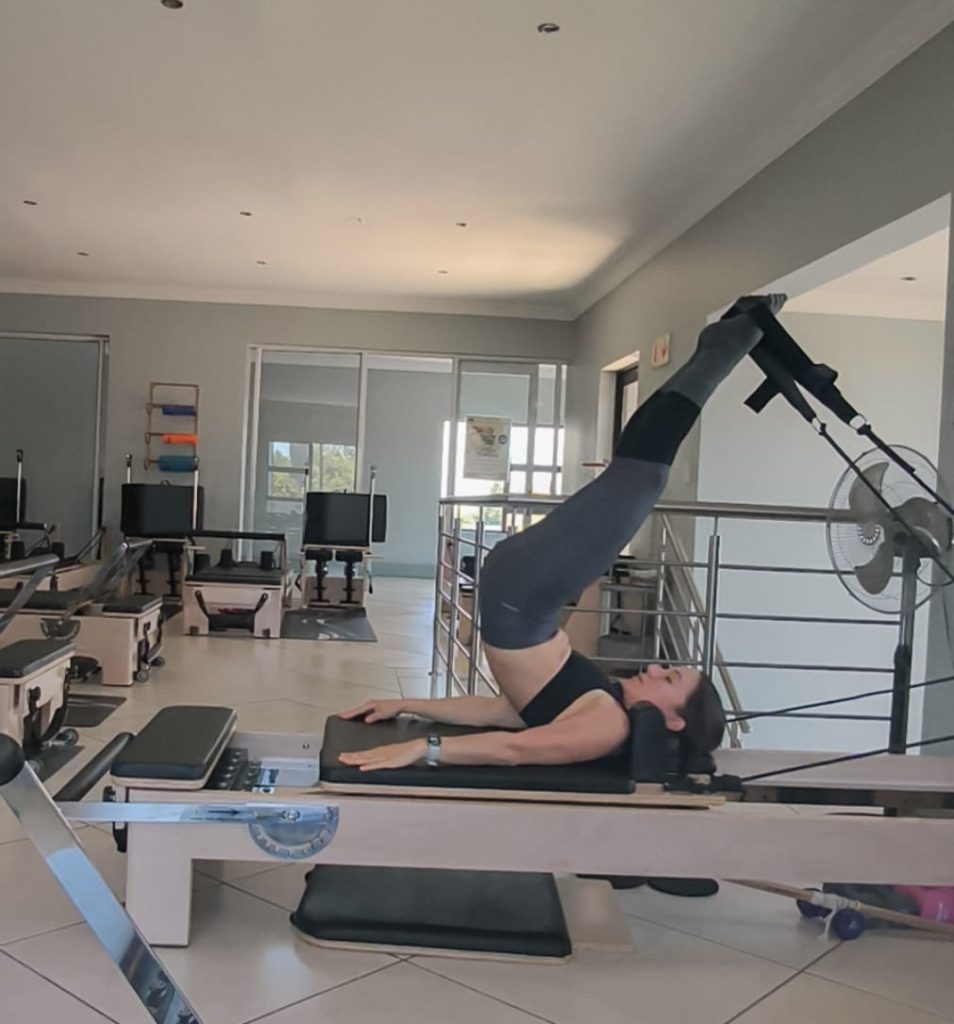
Pilates for Back Pain: Why Your Core Isn’t Weak — It’s Disconnected
(Pilates100 | Weekly Wellness Blog)
Back pain is one of the most common reasons people stop exercising… and also one of the biggest reasons they should start moving smarter.
At Pilates100, we see this all the time:
Clients come in thinking they have a “weak core,” tight hamstrings, or poor posture — but the real issue is usually something deeper.
It’s not weakness.
It’s disconnection.
Why Your Back Hurts (Even If You Stretch Every Day)
Most chronic back pain isn’t caused by one dramatic injury.
It’s usually caused by small daily habits that add up:
- sitting for hours
- poor ribcage positioning
- breathing into the chest instead of the diaphragm
- overusing the lower back muscles
- tight hips pulling the pelvis out of alignment
And the worst part?
Your body adapts. It starts compensating.
So instead of your deep stabilizers doing their job, your lower back starts doing the work of your abs.
That’s when pain begins.
Pilates Fixes the Real Cause of Back Pain
Pilates is not just stretching and “toning.”
Classical Pilates is a full-body correction system that teaches your body to move with:
✅ alignment
✅ control
✅ deep core activation
✅ spinal stability
✅ better breathing mechanics
✅ stronger hips + glutes
✅ improved posture under load
It retrains the nervous system to stabilize properly.
The Core Is Not Just Your Abs
When people think of “core,” they think of six-pack muscles.
But your true core system includes:
- diaphragm
- pelvic floor
- transverse abdominis
- multifidus muscles along the spine
- deep hip stabilizers
If these muscles are not coordinating correctly, your spine becomes unstable — and pain becomes almost inevitable.
The #1 Pilates Mistake People Make
Most people try to “suck in the stomach.”
But Pilates works differently.
At Pilates100 we teach you to create support by:
breathing into the ribs
widening the back of the ribcage
activating the deep abdominal wall
lengthening the spine
This creates a strong, lifted core — without compression.
Why Reformer Pilates Is Amazing for Back Pain
The reformer is one of the best tools for back pain because it provides:
- resistance without impact
- guided movement patterns
- support for the spine
- improved mobility with control
- progressive strengthening
It helps clients get strong safely — even if they’re nervous to exercise.
Who Benefits Most From Back-Friendly Pilates?
Pilates is ideal if you experience:
- lower back tightness
- sciatica-like symptoms
- stiff hips
- poor posture
- neck tension from sitting
- weak glutes
- post-pregnancy core weakness
- chronic stiffness and fatigue
Start With the Right Class
At Pilates100, our most recommended sessions for back health include:
⭐ Back Health Pilates
⭐ Stretch & Restore
⭐ Balance & Control
⭐ Classical Reformer Flow (Beginner Friendly)
Final Thought
You don’t need to “push through pain.”
You need a system that teaches your body to move correctly.
Pilates isn’t a quick fix — it’s a long-term solution for a stronger spine, a healthier posture, and a pain-free body.
If you’re ready to feel the difference, book your first session at Pilates100 and let us guide you step-by-step.
Your back doesn’t need rest.
It needs the right kind of strength.
📍 Pilates100 | Alberton
📩 DM us to book your assessment or trial session

